


Sciatica Relief: Powerful Lower Back Exercise Guide
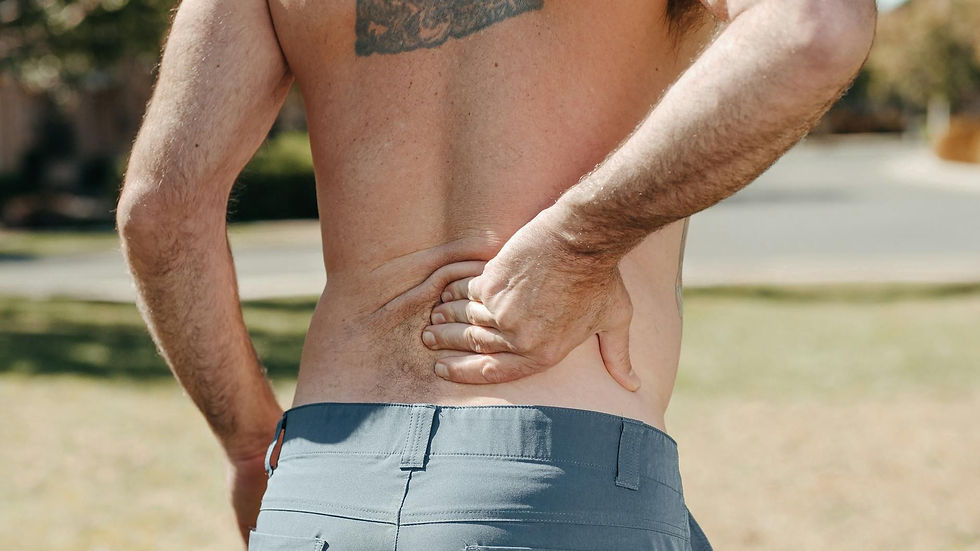
The sharp, shooting pain that radiates from the lower back down one or both legs is instantly recognizable. It is the hallmark of sciatica, a condition that affects millions globally, significantly diminishing quality of life and productivity. For professionals managing demanding careers, chronic pain is often viewed as an inevitable burden, but this is a misconception we must actively dismantle. Understanding the biomechanical principles behind sciatic nerve irritation is the first step toward sustainable recovery. This comprehensive lower back exercise guide moves beyond generic stretching routines to offer targeted, evidence-based protocols designed to promote neural gliding, decompress the lumbar spine, and fundamentally strengthen the core support structures.
Understanding Sciatica: More Than Just A Pinched Nerve
Sciatica is not a diagnosis itself; rather, it is a symptom resulting from compression or irritation of the sciatic nerve, the longest nerve in the body. This compression usually originates in the lumbar spine (L4 to S3 nerve roots). Common culprits include a herniated disc, spinal stenosis, or piriformis syndrome. Failing to address the root cause with specific interventions often leads to short term relief followed by inevitable recurrence. Our approach centers on stabilization and mobility, not brute force strengthening, which can aggravate acute inflammation.
Identifying Your Root Cause: Disc vs. Stenosis vs. Piriformis
Differentiating the source of compression dictates the appropriate therapeutic exercise. An acutely herniated disc often requires directional preference exercises, such as McKenzie extensions, to centralize pain. Conversely, spinal stenosis benefits from flexion-based movements that open the spinal canal. Piriformis syndrome, often presenting identically to a lumbar issue, requires localized stretching and release of the deep gluteal muscle. Without this initial diagnostic assessment, any sciatica exercises guide for relief risks being ineffective or even detrimental.
Foundational Exercises for Lumbar Decompression and Stability
Effective sciatica relief begins by creating space for the nerve to move freely and by reinforcing the deep core musculature responsible for maintaining neutral spinal alignment. These foundational movements should be performed daily during periods of flare-up, prioritizing quality of movement over repetition count.
Core Engagement: The Transversus Abdominis Activation
The transversus abdominis (TrA) acts as a natural internal corset, providing essential segmental stability to the lumbar spine. Neglecting TrA activation often leaves the spine vulnerable during movement.
Diaphragmatic Breathing with Bracing: Lie supine with knees bent. Place fingers just inside the hip bones. Inhale deeply, allowing the belly to rise. As you exhale slowly, gently draw the lower abdomen in, imagining bringing the two hip bones slightly closer together without tilting the pelvis. Hold the brace for 10 seconds while maintaining normal chest breathing. Perform 10 repetitions.
Dead Bug Progression (Level 1): With the brace established, gently lift one foot just an inch off the floor without allowing the lower back to arch. Alternate legs slowly. This teaches dynamic stability.
Neural Mobilization: Gentle Sciatic Nerve Gliding
Neural gliding exercises aim to gently move the sciatic nerve through its anatomical pathway, preventing scar tissue adhesion and improving its tolerance to movement. These are distinct from stretching, as they involve movement at the joints above and below the nerve path, rather than sustained tension on the nerve itself.
Nerve Flossing (Sciatic Nerve Slump): Sit upright near the edge of a chair. Gently slump your spine (flex your upper back) while simultaneously extending the painful leg until you feel a mild, reproducible tension. Slowly bring the head upright (extending the neck) while bending the knee slightly until the tension eases. This oscillatory movement improves nerve mobility.
Prone Press-Ups (McKenzie Method): Lying prone, place hands under the shoulders. Gently press the upper body up, keeping the hips fully relaxed on the floor, allowing the lower back to extend gently. Only move into the direction that reduces leg pain or centralizes it towards the spine. This is critical for disc-related pain management.
Advanced Strengthening for Long-Term Pain Prevention
Once acute inflammation subsides and basic stability is achieved, integrating targeted strength work is essential. This phase focuses on hip extensors and gluteal strength, as weak glutes force the lower back musculature to compensate. Knowing how to relieve lower back pain long-term requires strengthening these synergistic muscle groups.
Gluteal Strengthening Protocols
Strong gluteus medius and maximus muscles stabilize the pelvis during walking and standing, which dramatically reduces shear forces on the lumbar discs.
Clamshells with Resistance: Lie on your side with knees bent 45 degrees, feet together. Keeping feet touching, lift the top knee towards the ceiling using only the outer hip muscle. Use a resistance band above the knees for enhanced efficacy. Aim for 3 sets of 15 repetitions per side.
Glute Bridges with Hip Thrust Variations: Progress from a standard bridge to a single-leg bridge or adding an isometric hold at the peak contraction. Focus on driving through the heels and squeezing the glutes, ensuring the lower back remains neutral and does not hyperextend.
Integrating Movement into Daily Professional Life
The most effective sciatica exercises guide for relief must account for the reality of prolonged sitting common in professional environments. Micro-movements and frequent positional changes are non-negotiable for managing nerve health.
The 20-8-2 Rule: For every 30 minutes seated, stand for 20 minutes, move (walk, stretch) for 8 minutes, and sit actively (using a lumbar support or stability ball) for 2 minutes. This breaks static loading patterns.
Standing Desk Modifications: If using a standing desk, ensure the monitor height is correct and utilize a slight forward lean or a balance board to encourage subtle, continuous muscle engagement.
Frequently Asked Questions
How soon after starting these exercises should I expect to feel relief from sciatica?
Acute flare-ups might see centralization of pain within a few days using directional preference exercises, but significant, lasting relief often requires consistent application of core stabilization and neural gliding for four to six weeks. Patience and consistency are paramount in addressing nerve impingement issues.
Can stretching actually make sciatica worse?
Yes, if performed incorrectly or if the root cause is acute disc herniation. Aggressive hamstring or hamstring stretches can tension the sciatic nerve unnecessarily, increasing irritation. Always prioritize nerve gliding over static stretching during the painful phase.
What is the best position for sleeping when experiencing sciatica?
For back sleepers, placing a pillow under the knees helps maintain a neutral lumbar curve. Side sleepers should place a firm pillow between the knees to prevent the top leg from rotating the pelvis and compressing the lower nerve roots.
Are these exercises safe if I already have spinal stenosis?
Many of these exercises, particularly the core bracing and gentle hip work, are beneficial for stenosis, but sustained deep lumbar flexion should be approached with caution. Focus instead on movements that promote neutral or slight extension, as dictated by your specific evaluation.
Sustainable recovery from sciatic nerve pain hinges on adopting a proactive, biomechanically informed exercise regimen. We have provided a framework centered on core stabilization, targeted neural mobilization, and essential gluteal strengthening. Implementing this sciatica exercises guide for relief moves you away from passive waiting and toward active tissue resilience. Commit to these protocols daily, respect the inflammatory cycles of your nerve, and integrate frequent movement into your professional structure. True mastery over lower back pain is achieved not by eliminating every stressful moment, but by fortifying the structural integrity that protects your neural pathways against those stresses. Start today by establishing that foundational TrA brace during your next meeting.


Comments